
Australia’s agricultural heartland runs on resilience. Before sunrise, farmers are already working—mending fences, checking livestock, repairing machinery, negotiating unpredictable weather. Their days are long, physically demanding, and rarely flexible. Yet amid this endurance culture, one quiet struggle often goes unspoken: dental anxiety.
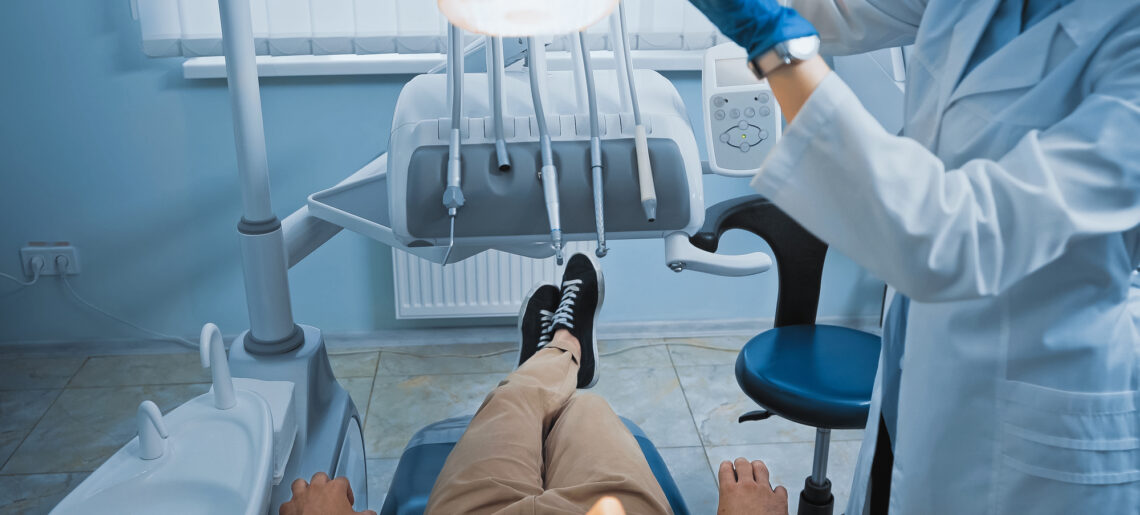
For many in rural Australia, oral health is postponed until pain forces attention. Distance from clinics, limited appointment windows, and generational stoicism all contribute to delayed care. But perhaps the most significant barrier is psychological. Fear of discomfort, bad past experiences, or simply the loss of control in a dental chair can weigh heavily. Increasingly, clinics across regional Australia are seeing farmers choosing sleep dentistry for comfortable care, recognising it as a practical and compassionate response to rural realities.
The Rural Dental Gap
Access to healthcare has long been uneven between metropolitan and rural Australia. While cities offer abundant specialists and extended hours, farmers often travel significant distances for appointments. Time away from property means lost productivity. Seasonal demands—harvest, shearing, calving—cannot simply pause for a filling or extraction.
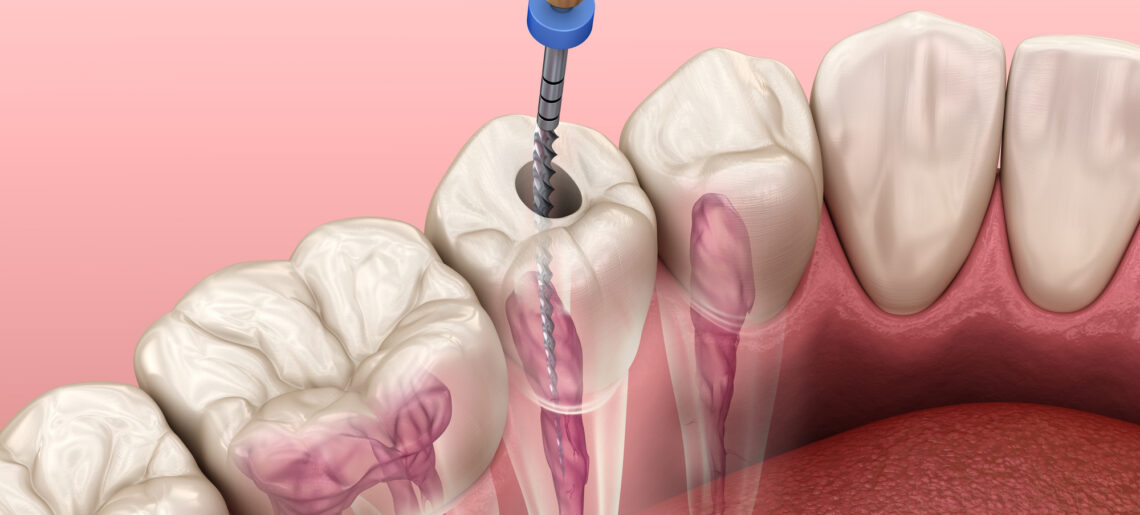
As a result, minor dental issues frequently escalate. A small cavity becomes an abscess. Gum inflammation becomes advanced periodontal disease. Treatment becomes more complex, and anxiety intensifies.
Sleep dentistry offers a way to break this cycle.
Understanding Sleep Dentistry
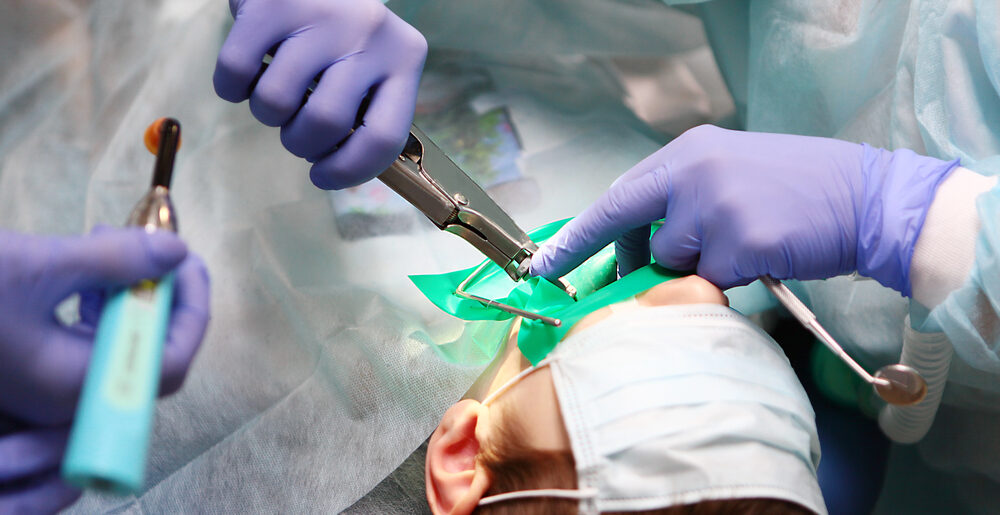
Sleep dentistry encompasses sedation techniques ranging from oral sedatives and nitrous oxide to intravenous (IV) sedation. Contrary to common misconception, most patients remain conscious but deeply relaxed. They respond to instructions yet experience reduced awareness and minimal memory of the procedure.
For farmers accustomed to physical toughness, the appeal is not weakness—it is efficiency. Multiple treatments can often be completed in a single visit under sedation. Instead of spacing procedures over months, patients address accumulated dental needs in one carefully planned session.
This efficiency aligns seamlessly with agricultural life, where downtime must be strategic and limited.
Anxiety in a Culture of Endurance
Australian farming culture prizes stoicism. Pain is tolerated. Discomfort is endured. Yet dental anxiety does not discriminate by profession or strength of character. Studies consistently show that a significant portion of adults experience moderate to severe fear of dental treatment, often rooted in childhood experiences or past trauma.
The difference in rural communities is that anxiety is rarely voiced. It manifests instead as avoidance.
Sleep dentistry functions not merely as a procedural tool but as a dental anxiety solution that respects dignity. Farmers can seek treatment without confronting the intense stress that may have kept them away for years. It reframes dental care from an ordeal into a manageable, even routine, health investment.
Physical Demands and Oral Health
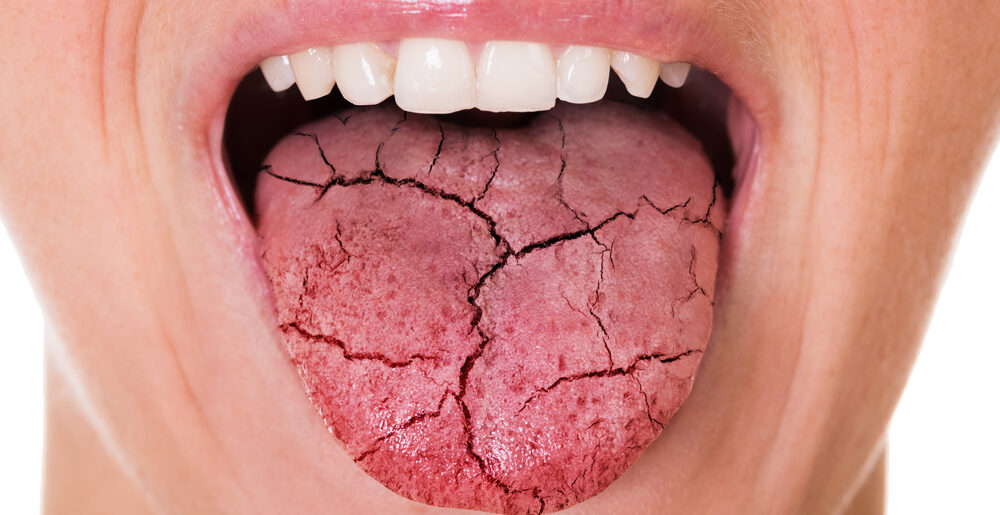
The connection between farming and oral health is also physiological. High-sugar convenience foods during long field days, dehydration in hot climates, and limited time for preventive appointments all increase risk factors for decay and gum disease. Additionally, chronic stress—common in agricultural livelihoods influenced by weather and market volatility—can exacerbate teeth grinding and temporomandibular joint (TMJ) issues.
When these conditions converge, treatment can become extensive. Sleep dentistry enables comprehensive care in a way that reduces both physical and psychological strain. A farmer who might otherwise delay multiple procedures can complete restorative work efficiently and return to daily responsibilities with minimal disruption.
Safety and Modern Standards
Australian dental regulations maintain strict safety standards for sedation practices. Dentists offering IV sedation undergo additional accredited training, and patient health histories are carefully reviewed. Monitoring equipment ensures vital signs remain stable throughout procedures.
For rural patients, this reassurance is critical. Sleep dentistry today is far removed from outdated stereotypes. It is controlled, evidence-based, and tailored to individual medical profiles.
Moreover, the growth of regional dental centres means sedation services are increasingly available outside metropolitan hubs. Rural communities are no longer required to travel to major cities to access advanced care.
Efficiency Meets Compassion
One of the most compelling aspects of sleep dentistry for farmers is its dual practicality. It addresses time constraints and emotional barriers simultaneously. In agricultural life, where machinery is maintained proactively to prevent breakdown, the same philosophy applies to health. Addressing dental problems early prevents costly and painful emergencies later.
Clinics report that once farmers experience sedation-assisted treatment, follow-up attendance improves dramatically. Anxiety decreases. Preventive visits become routine. What began as a reactive solution becomes part of a proactive health strategy.
This shift signals something broader: a transformation in how rural Australians perceive dental care. It is no longer a last resort but an integral part of wellbeing.
A Modern Tool for a Timeless Profession
Farming is one of humanity’s oldest professions. Dentistry, too, has ancient roots. Today, modern sedation techniques bridge tradition and innovation, ensuring that those who feed the nation receive the care they deserve without unnecessary fear.
The narrative is changing. Instead of silent endurance, we see empowerment. Instead of postponement, we see action. More are recognising that farmers choosing sleep dentistry for comfortable care are not opting out of resilience—they are redefining it.
In the vast landscapes of rural Australia, where independence and hard work define daily life, sleep dentistry stands as a thoughtful dental anxiety solution—one that honours both practicality and humanity.
And sometimes, the bravest decision is not to endure discomfort, but to choose comfort wisely.